Anishinabeg
long point
Long Point First Nation
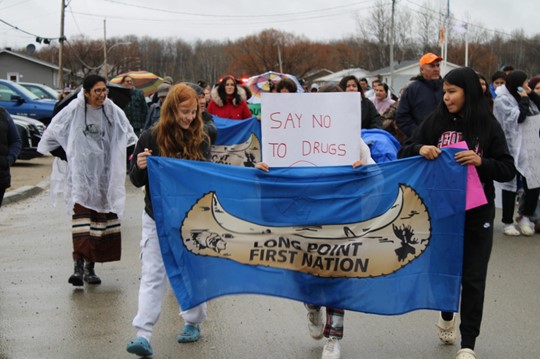
Long Point First Nation (LPFN), Kakinwawigak (Long Point) in Anishinabemowin, also known as Winneway, is one of nine Anishinabeg communities located in Quebec, on unceded ancestral territory. It is one of the eleven communities that make up the Algonquin Anishinabeg Nation. The community is located near the Kitci Zibi (“Great River”, Ottawa River), in the Abitibi-Témiscamingue region.
In 2023, the community had 971 registered members. Of these, some 52 % lived in the community, 45 % lived outside, and 3 % lived in other communities.
LPFN members were forcibly displaced twice in the 20th century due to industrial projects (logging and hydroelectric reservoirs). In the early 1900s, community members lived near Lac des Quinze, where the Hudson’s Bay Company had a trading post, but flooding forced relocation. In 1950, the community settled near the Winneway River on a 0.5 km² land, later expanded to 3.29 km².
Unlike most First Nations, LPFN does not have reserve status under the Indian Act. Instead, it has Indian settlement status, which limits its governance powers. To date, no treaty has been signed with the Crown, which means that LPFN territory is still subject to Aboriginal Title and Rights. The map below is provided for information purposes only and does not represent an official territorial designation.
What was the
starting point
of the CCP?
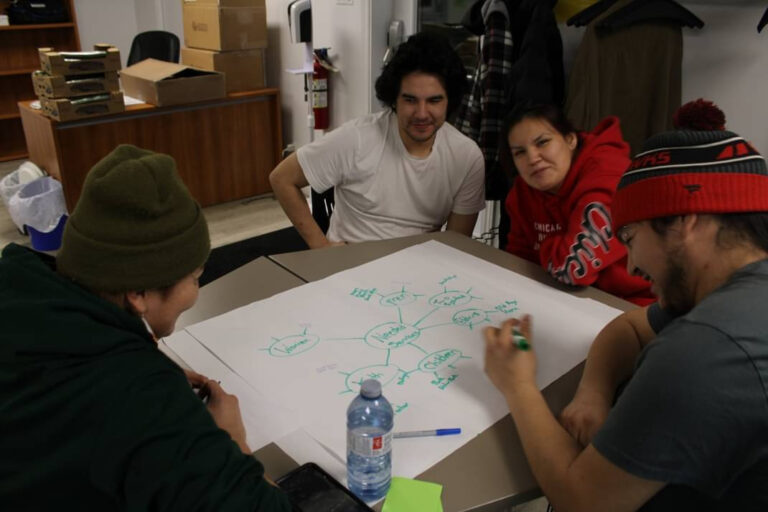
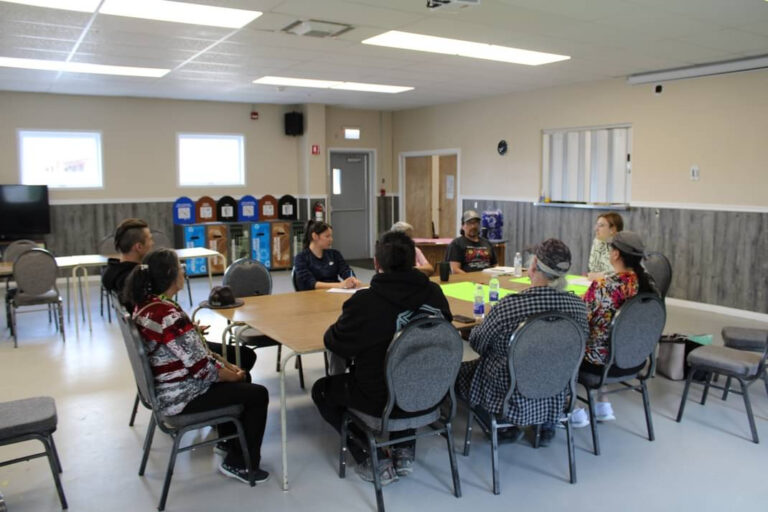
Back in 2023, our director general, directors and Council members got together to discuss the need for a strategic, community-centered approach to Long Point First Nation’s long term sustainable development. While our community often got together, it was mostly for social events. With CCP, the goal was to also get community more involved in our projects and activities, through general assemblies, key update meetings, etc.
Together, we could create a sustainable framework addressing our health, housing, education, and economic needs while maintaining our cultural integrity.
We wanted a way to shape a future that respects traditions while pursuing growth. With CCP, we want to balance our sustainable development, keep our practices sustainable and keep our culture alive, embodying our core values and teachings.
“My name is Bradley Polson. In the fall of 2023, I stepped into the role of CCP Coordinator for Long Point First Nation. I was already Communications Officer for my community, and it made sense to combine both positions as communications are key for a successful planning process. I’m happy to introduce you to our CCP approach!”


We have many annual events throughout the year, and we are a community that comes together no matter what. As CCP Coordinator, I’m really glad to be a part of a community that focuses on our traditional values and works to keep our Anishinabemowin language alive! Today, the community still faces challenges in maintaining traditional ways due to land restrictions and external development pressures, but our community members remain resilient.
CCP Coordinator, Long Point First Nation
How did the planning process move forward?
We dedicated the first year of our CCP process to creating a solid foundation, making sure we stayed true to our core values. To get started, I looked at existing resources, such as the CCP Handbook written by First Nations in BC. I also researched plans created by other communities, what they included and how they were structured. I took part in meetings of our regional CCP Circle, where I got to hear from other CCP Coordinators. It is really helpful to learn from each other, and I got to “steal” some inspiring ideas from them!
In February 2024, I took part in a 3-day Trauma-Informed Organizations training. I really enjoyed that training, it taught me different approaches to be sensitive to the ways employees and people bring in trauma, and what the outcomes are.
As CCP Coordinator, I can bring in everything I learned to make sure our process is focused on our community wellness, our resilience and healing.
Starting with a strong foundation
Once we had a good basis, we started creating awareness around CCP, using multiple communication approaches to reach community, administration, and Council. For example, we gave a presentation to Council, departments and community members outlining the importance and benefits of CCP, the planning cycle, and how it can stem from our values as Anishinabeg people. I wanted them to know that they were going to be the driving force behind it all.
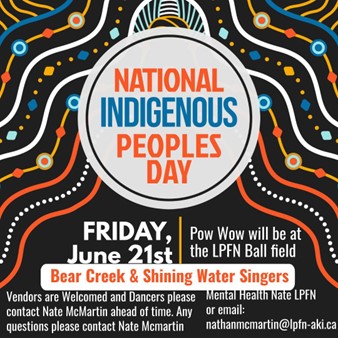
We focused on communications and reached many milestones. We created a new communication plan centering community involvement, which will continue to grow based on community needs, interests, recent technologies, etc. We introduced a lot of new communication channels and brought back old ones (newsletter, Facebook, and Instagram for youth, etc.). We’ve been working with departments to improve communications, so that community members can know our services and what’s happening.
Community involvement is still a challenge, which is normal when you introduce a new idea into the community. People need time to get on board and get to know what CCP is about. They need time to understand what can come from it and how we’re going to share information with all groups (elders, youth, members living outside of the community, etc.).


Inviting young people to build their future, our future
Learning from other CCP Coordinators – especially Francine Whiteduck from Kitigan Zibi – really inspired me when it came to creating a CCP team. As in Kitigan Zibi, we decided to mandate the Youth Council to guide the CCP process and invite them to shape their future, our future.
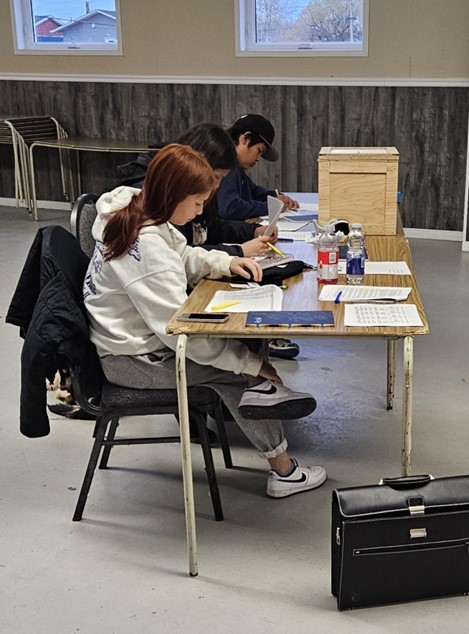
We recently completed a by-election process to fill the last two positions, and we’ll soon create a plan and set goals together to move forward with the CCP. It’s exciting to collaborate with them because what they can do is limitless. And we’re lucky to have great support from Steven Polson, the LPFN Council member who is responsible for the Youth portfolio, as well as from Sharon Hunter, our Director General. We have a lot of support all around, for which we’re incredibly grateful.
What changes
did CCP
bring in long point?
We’re already starting to see changes in community awareness and engagement.
We are proud of our major successes:
We’re already starting to notice a change in community awareness and engagement. We’re adapting the way we communicate and share information (ex. website, radio station, etc.) to make sure all groups in the community are being informed. With more information circulating, transparency has increased. This is helping to build trust between members, administration and Council, and a stronger sense of community ownership.
We’ve begun implementing structural changes in some departments. We’ve included some recent technologies, which help us in keeping up to date with evolving community needs. We are continuing with infrastructure upgrades and department restructuring, to better serve community needs.
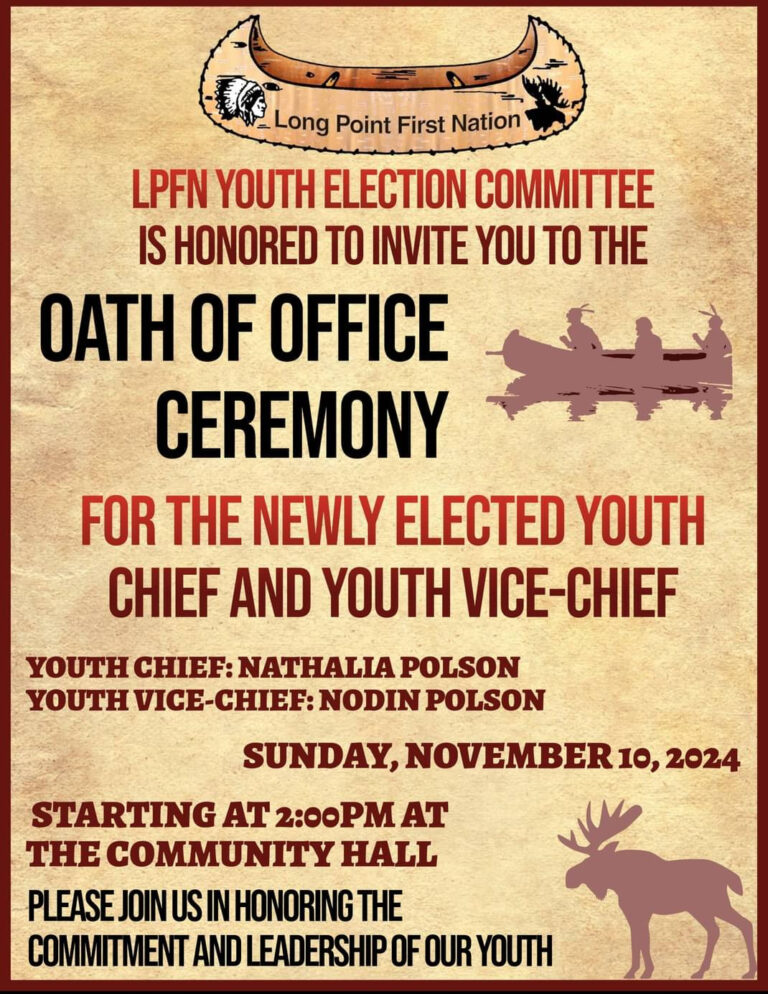
Our new Youth Council, with its new CCP mandate, is another important change. We’re starting to see youth learning more about what it means to be in a leadership role, from an Anishinabe perspective, and we’re providing them with the training they need to fulfill their roles and responsibilities.
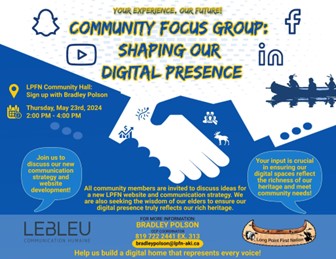
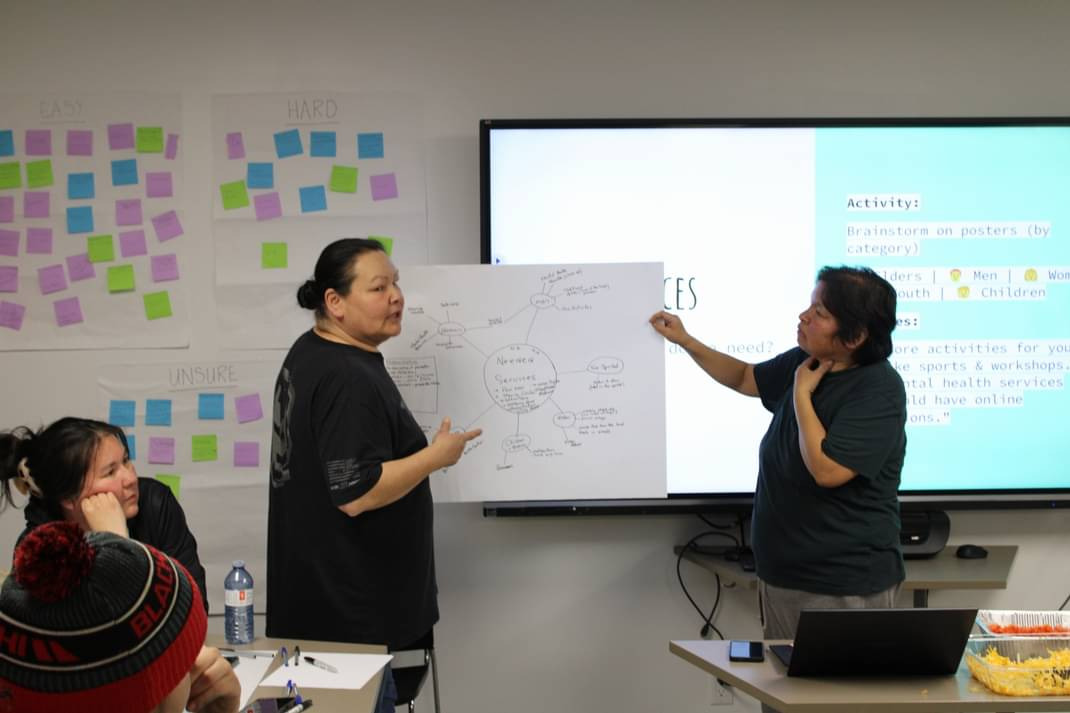
We’re starting to see the results of all the groundwork we’ve put in to encourage more community engagement. For example, some members took part in focus groups for to help create our new communication plan and website. Regular updates (ex. newsletters, social media) have contributed to higher attendance at meetings and more active feedback from community members.


For the near future, we are guided by our overall goal: a sustainable, inclusive future where each LPFN member feels valued and connected. We are hopeful for continued growth in community involvement and ownership of the CCP. We are working to create a balanced future for LPFN, that maintains cultural heritage while supporting sustainable development. Our success depends on implementing trauma-informed approaches to support community resilience.
What are the next
steps?
Over the next months, we’re planning to expand community engagement and strengthen the foundation we built over the past year.
We will continue to connect with community members through multiple engagement activities, including :
- Host more focus groups and community meetings to gather input, both large and small gatherings, creating spaces where members, employees and Council can be together.
- Implement structured data collection and analysis for informed decision-making, with support from the departments.
- Launch the new trilingual website and communication plan in late November 2024 for increased transparency.
- Introduce innovative communication tools to reach a broader audience and keeping communication channels open.
- Launch public awareness campaigns to encourage proactive community involvement.
- Strengthen partnerships with internal and external organizations to support sustainable development initiatives.
- Create a community calendar.
Making sure the CCP is youth-led is especially important, so we plan to organize regular meetings with Youth Council. We’ll provide them training so they can explore their roles and responsibilities, learn more about trauma-informed decision-making, as well as strategic planning. They’ll be invited to host CCP activities and be at the center of our process. We want to ensure that youth have their voices heard and are making key decisions in our community.
I’m excited to continue for the next couple of years!