SUPPORTING
CHANGE
The land has forever been changing and in motion. This knowledge is reflected in all Indigenous planning practices. Through vision, preparation, prevention, and relationship, Indigenous planning strives towards balance and harmony. This section offers a space to deepen your knowledge of change, so you can feel better prepared to support your community.
CHANGE:
A NATURAL STATE
The land teaches us that change is the world’s natural state. The sun’s journey across the sky, the moon’s cycle, the seasons, migrating animals and birds, births and deaths, plants that grow from pollen to flowers to fruits, the air moving in and out of our lungs with every breath…The universe changes in each instant.
When we plan and engage with community, we experience change every day, and we constantly interact with people who are going through change.
Learning why and how people react to change, and how to facilitate change, are essential skills to have in your bundle.
Gratitude for our mentors
We are part of a living lineage that grows every time it gets passed down.
The knowledge in this section was shared by three exceptional mentors, gathered for the Regional Planning Circle:
Norman A. Wapachee (Eenou, Mistissini and Ouje-Bougoumou), Dawn Germain-Metallic (Mi’gmaq, Listuguj) and David Martel (non-Indigenous).
We invite you to explore the meaning of these teachings so that you can embody them from your own perspective. We hope to inspire you to bring in your own knowledge, and to share it in turn.
You can click here to view the recording of the gathering.
Starting point:
A Biology of Change
Looking for safety
As humans, our brain and nervous system work together toward an ultimate goal: keeping us alive and safe.
In a world that’s constantly changing, our brain looks for stability. It searches for what it recognizes, for familiarity, comfort, and safety.
The brain often perceives change as a danger, as a threat to our safety, simply because it’s something it doesn’t recognize.
Change generates a mix of emotions and physical sensations: excitement, anxiety, doubt, fear, relief, denial, frustration…Our heart can beat faster, our hands can shake, our feet feel frozen, our stomach hurt, there can be buzzing in our ears, we can feel a sudden boost of energy or suddenly feel numb…
These reactions depend on how the brain perceives the change: is there danger? Do we need to fight, flee, or freeze to stay safe?
Reacting to change
Sometimes, change feels relatively safe and the brain’s alarm system is rapidly turned off. A few deep breaths, a couple of big laughs, a short walk, and we are once again calm enough to access our frontal lobes and think rationally.
We react less to change when…
- We desire the change.
- We're informed of the change in advance.
- We have power over the change.
In other situations, change feels unsafe and the brain’s alarm signal is very loud. It can prevent us from functioning, whether the danger is real or perceived. Our body remains in reaction mode, ready to fight, flight, or in a state of freeze.
We react more strongly to change when…
- We perceive this change as negative in our context.
- We're taken by surprise or caught off-guard.
- We feel the change is imposed on us.
A measure of loss
Aside from a short-term reaction, change involves a feeling of loss, of leaving behind something that’s known and familiar: a particular way of doing things, a place, a territory, a group, a role, a vision we had of ourselves…
Even when the change is desired and necessary – and even more so when it’s imposed on us – we need time to acknowledge the loss, to grieve the past, and to transition to our new reality.
If you would like to know more about the links between trauma and reactions, we invite you to visit this section.
Ancestral Ways:
Welcoming Change
Over generations, First Peoples have developed multiple ways of welcoming change, reflecting the teachings of the land.
Ceremonial cycles, rites of passage, intergenerational teachings and memory, oral histories, seasonal and lunar calendars, seasonal land use and occupation…
Entire systems were built to facilitate both stability and movement, through relationship.
Systems that reinforced resilience and moved towards balance.
Change is cored in indigenous languages
Colonial times:
Imposed Change
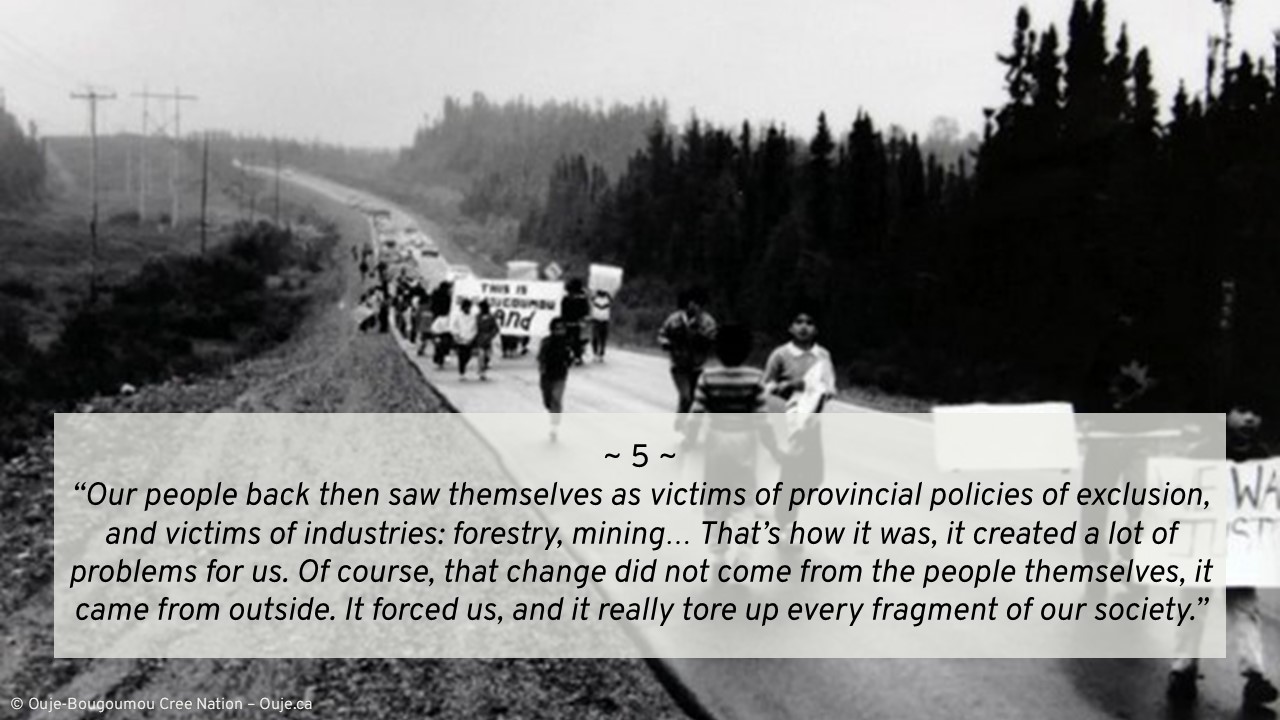
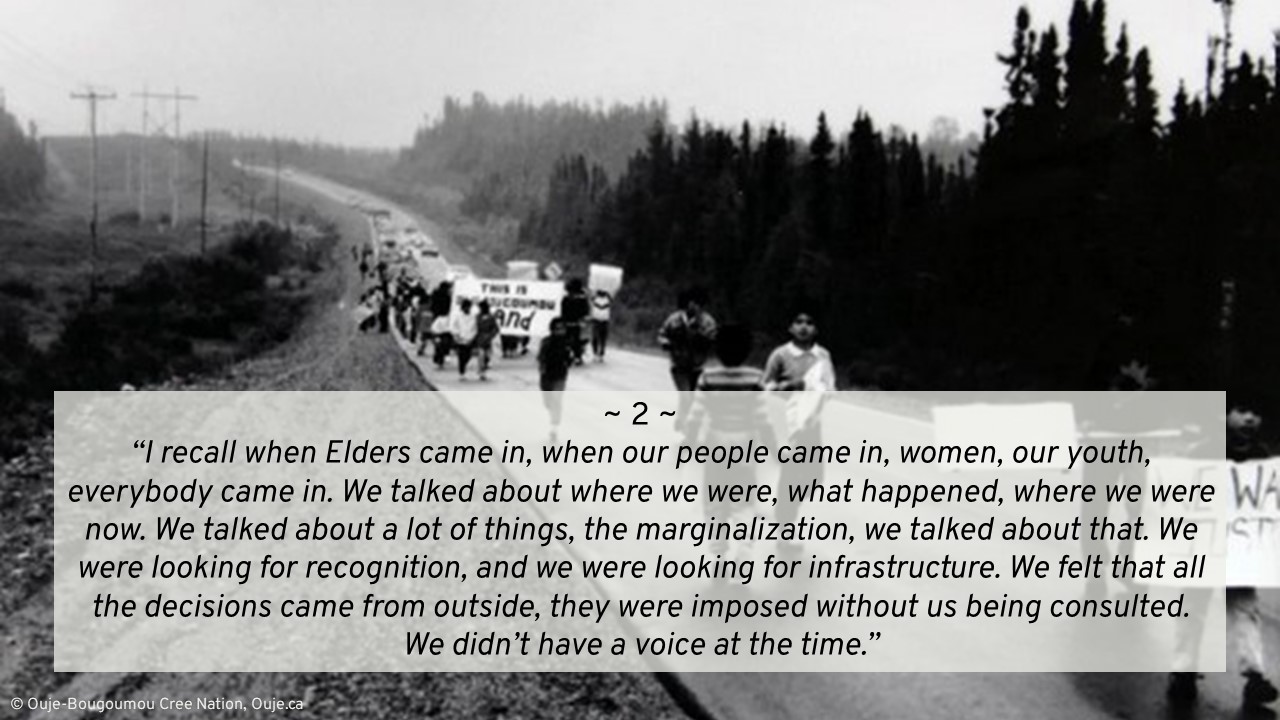
With colonization and colonial ways, change quickened and grew more brutal. Constantly imposed by the external, change became mainly associated with danger, and people’s nervous systems were thrown into nearly constant survival mode.
On a large scale, colonial society attempts to erase ancestral systems and relationships that have been ensuring stability and movement since time immemorial. Balance and harmony have become difficult to attain, individually and collectively.
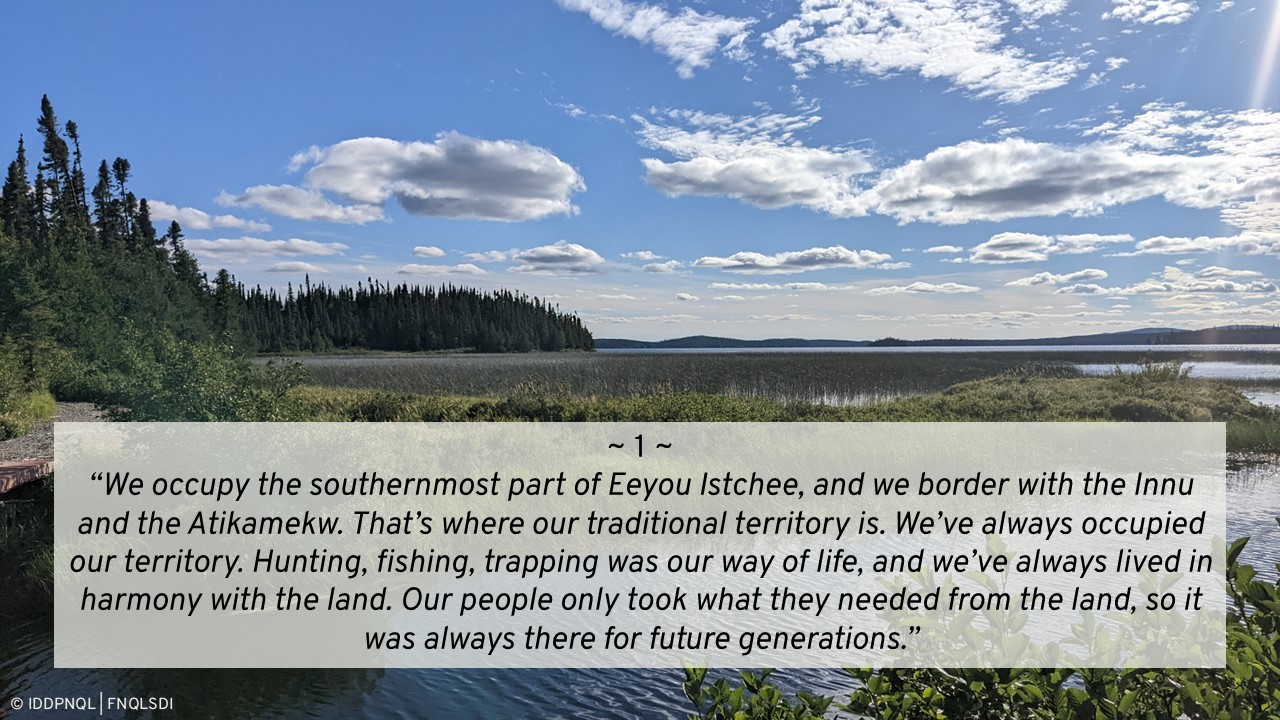
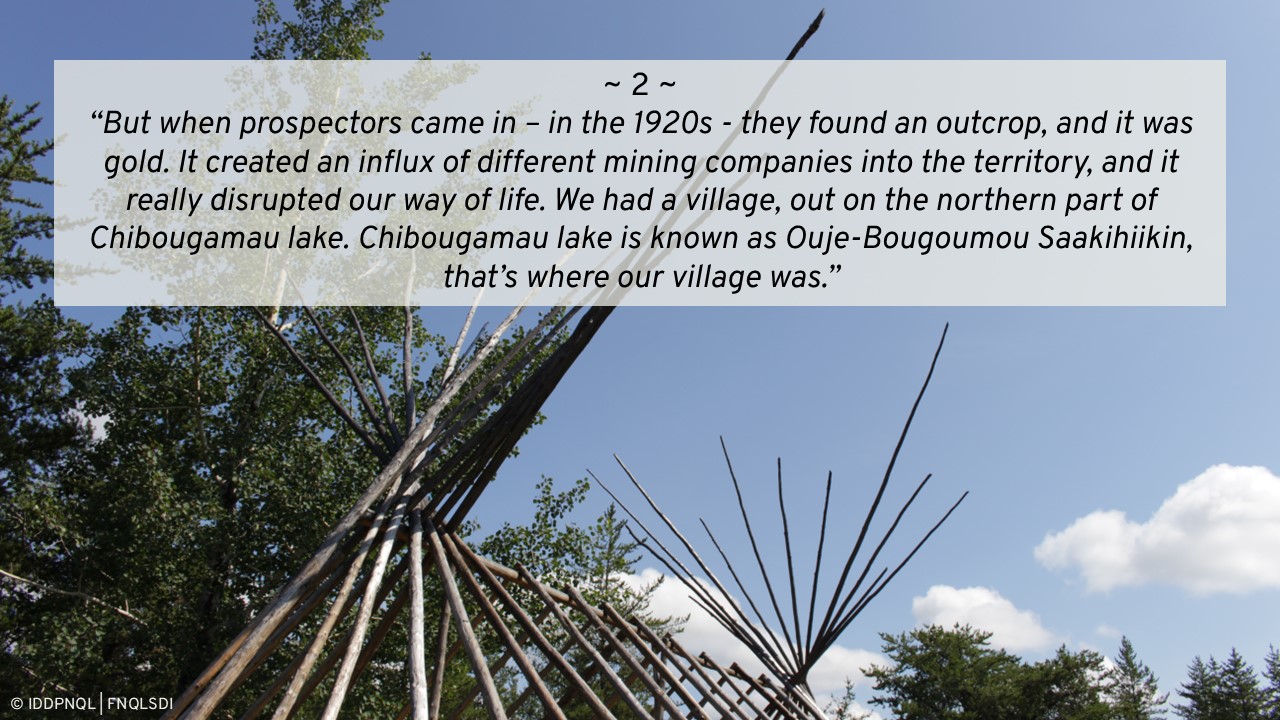
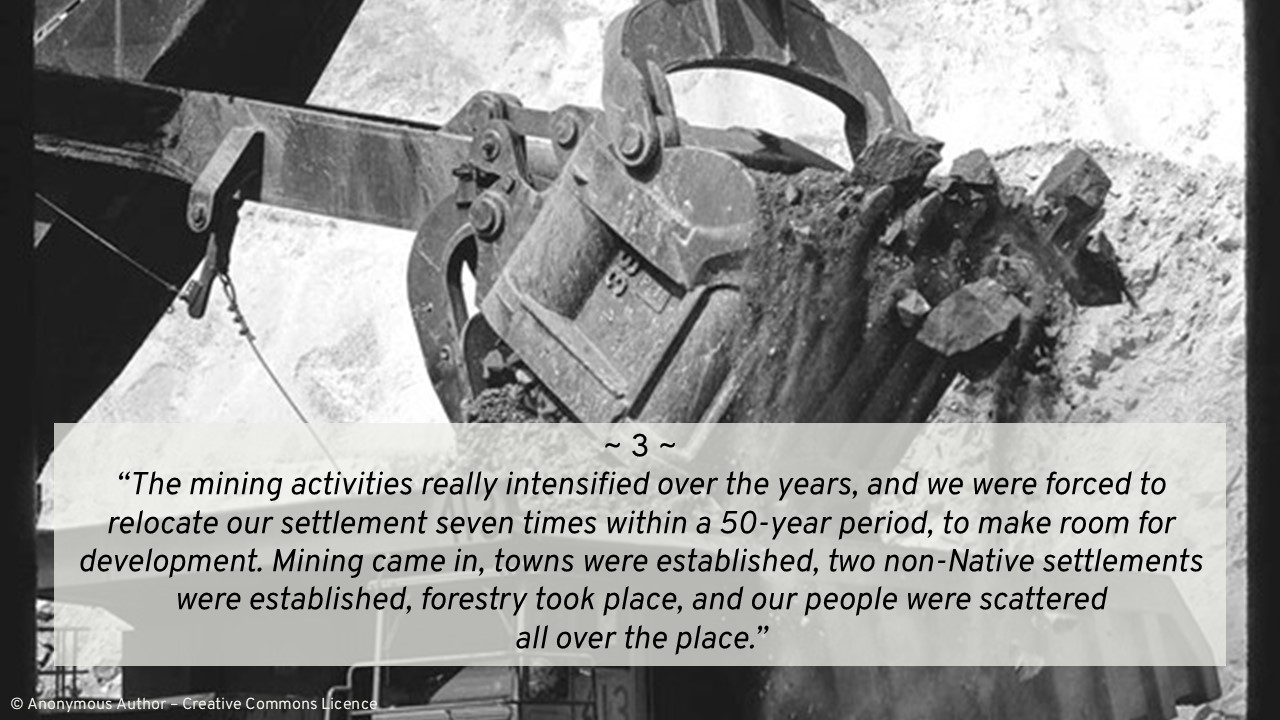
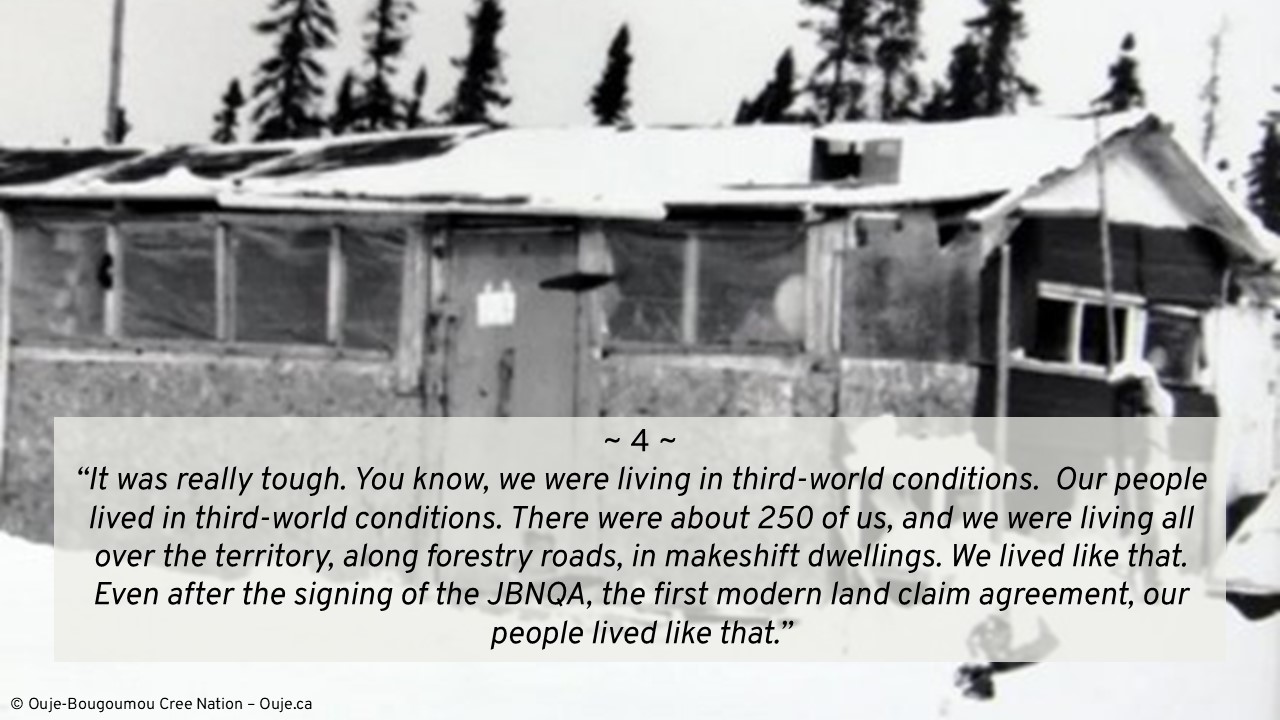
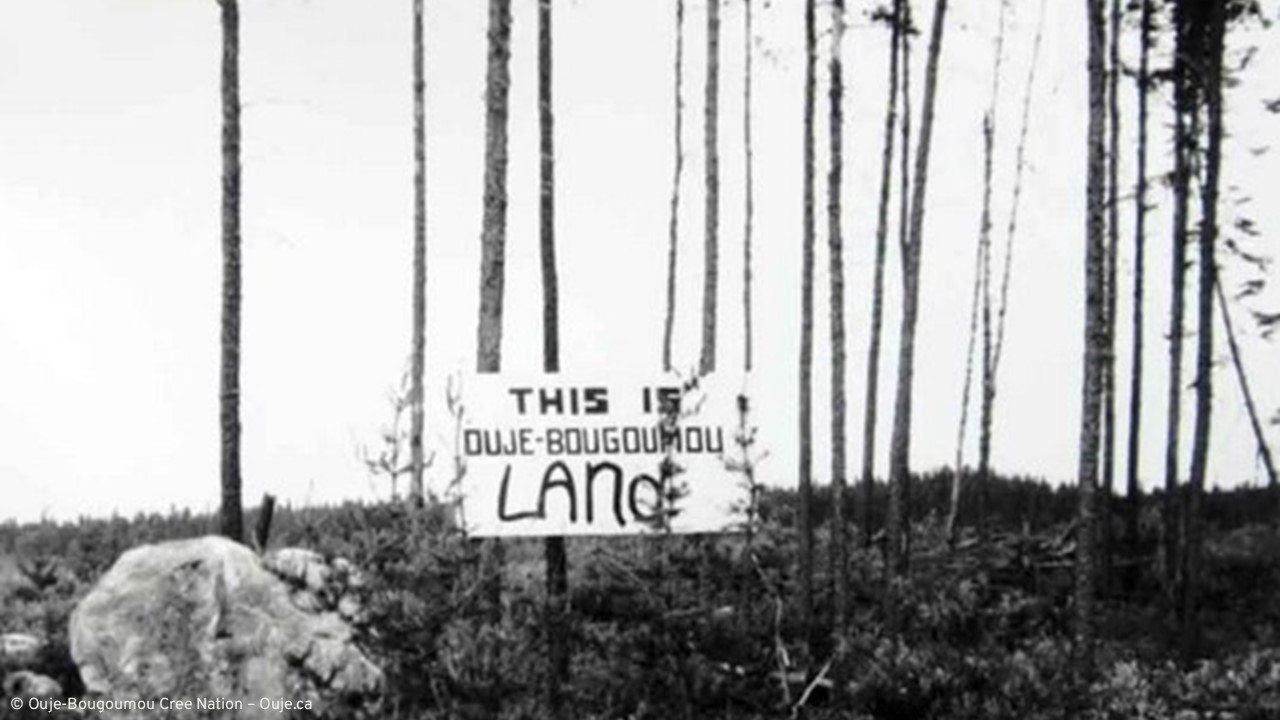
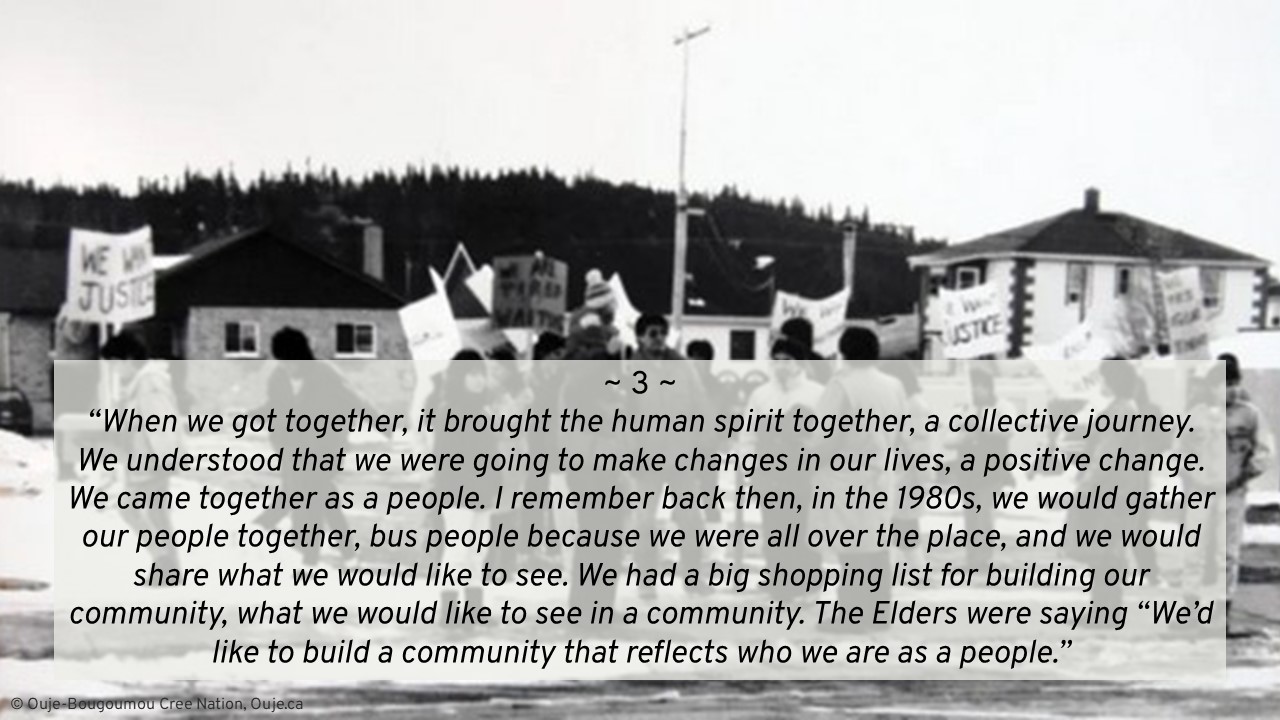
A Story of imposed change
Read Along
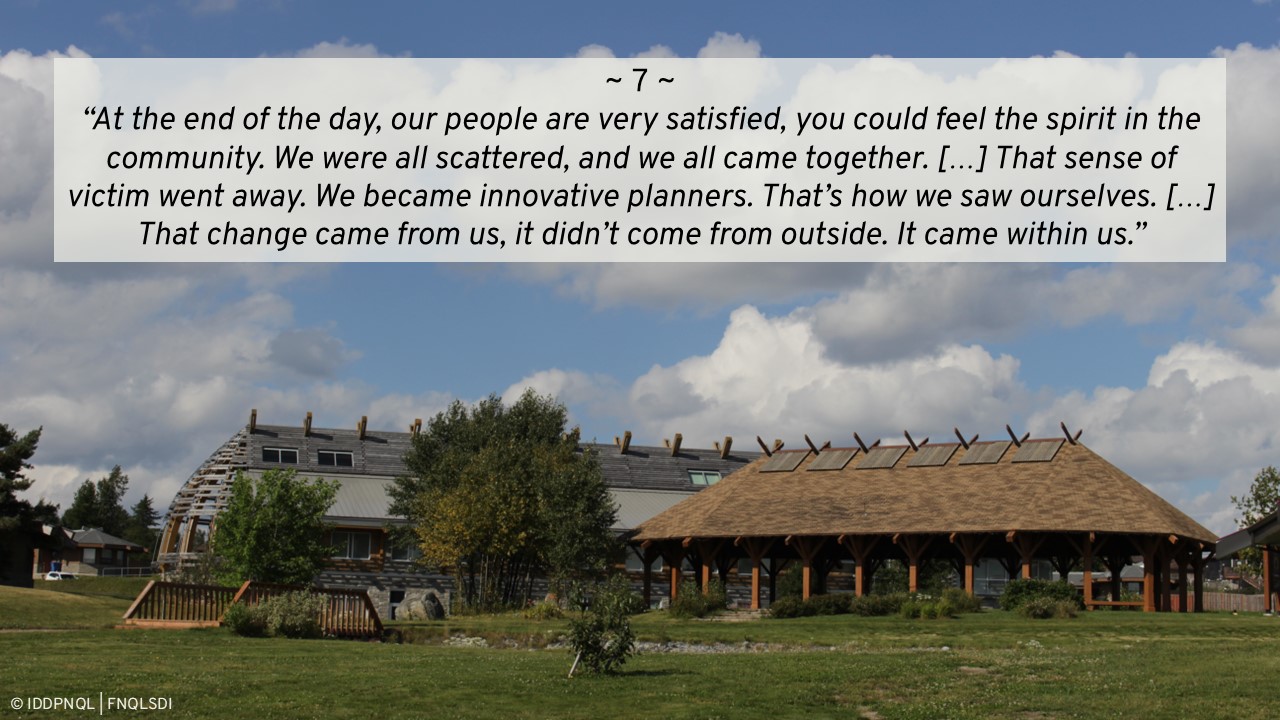
Here is the text version of the story, as told by Norman A. Wapachee. If you want to know more about Ouje-Bougoumou and the story of its people, we invite you to visit their website: www.ouje.ca.


Reclaiming
Change
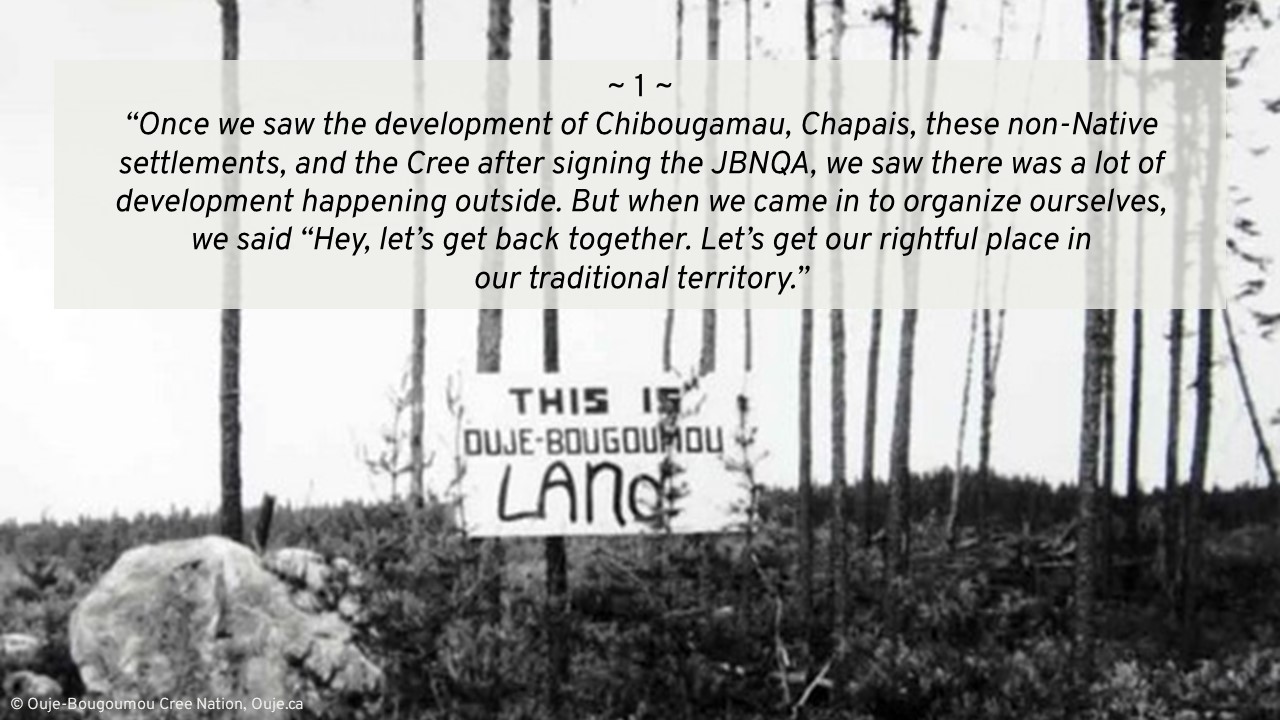
Across Turtle Island, First Peoples are gathering to remember who they are, to reclaim their way of life and renew their vision for the future.
By being themselves and planning together, they are once more choosing the changes they want to see for present and future generations. They are remembering their ways of welcoming change and movement, as their ancestors have always done.
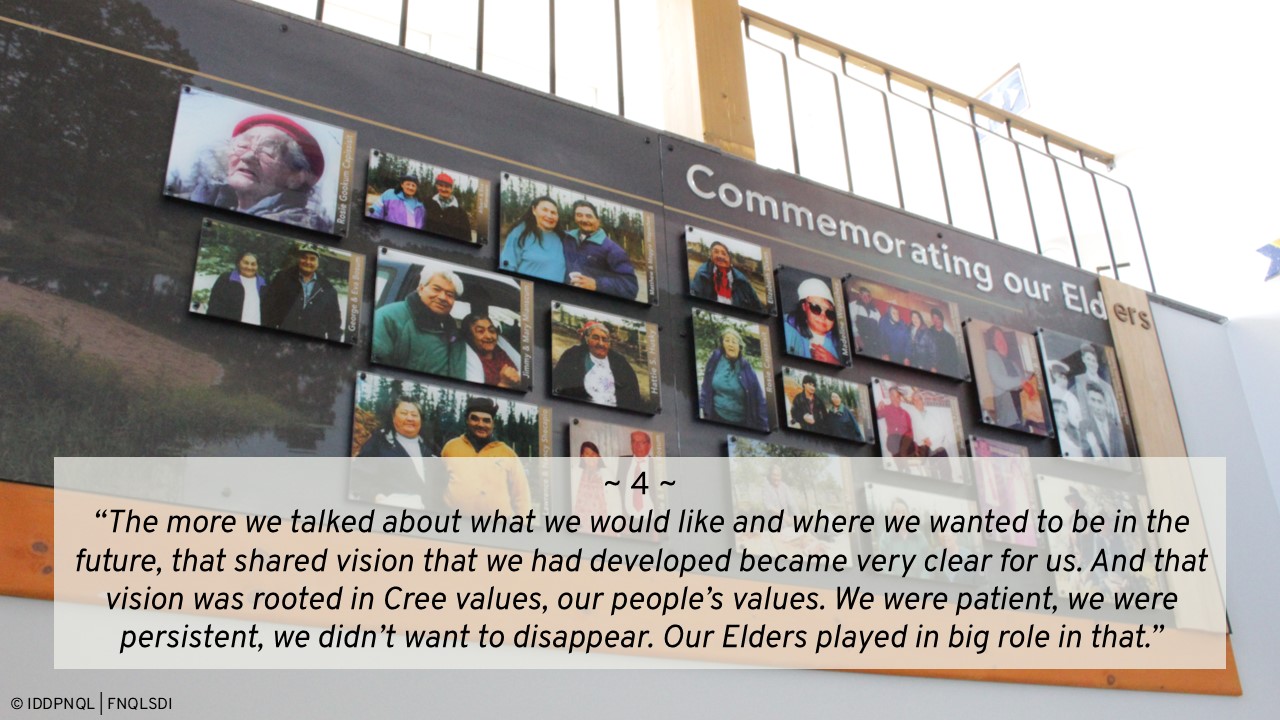
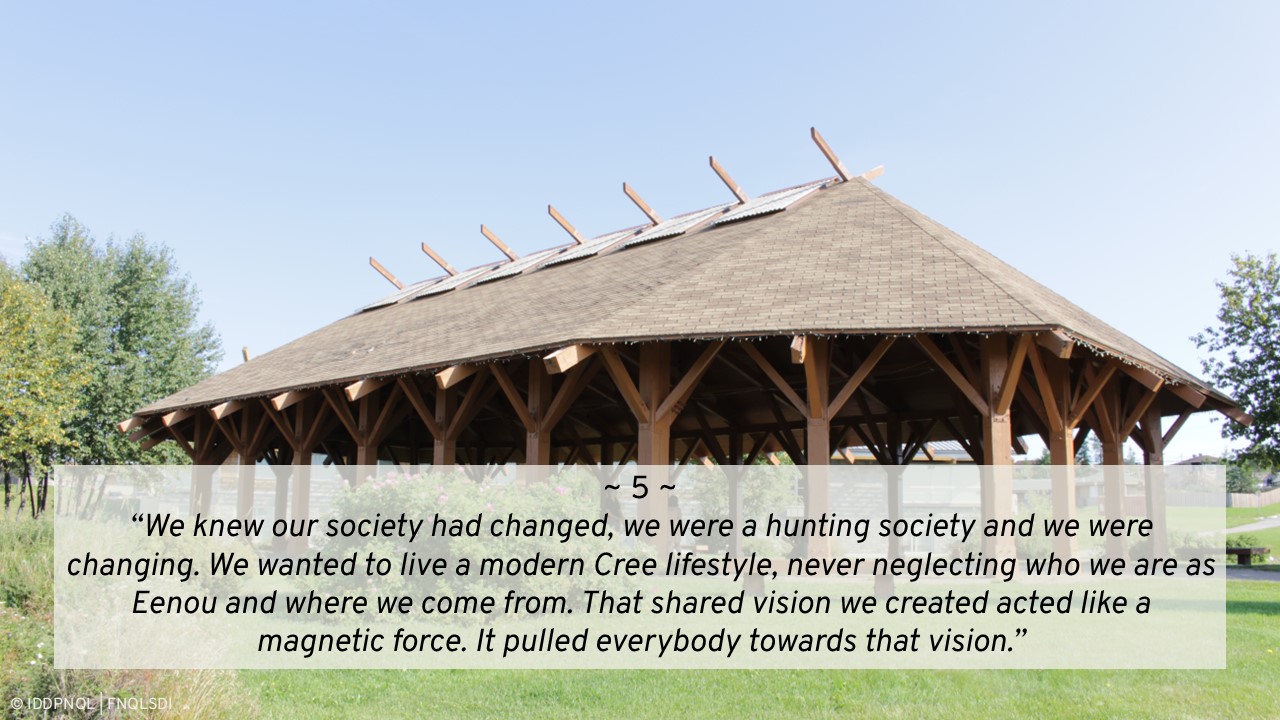
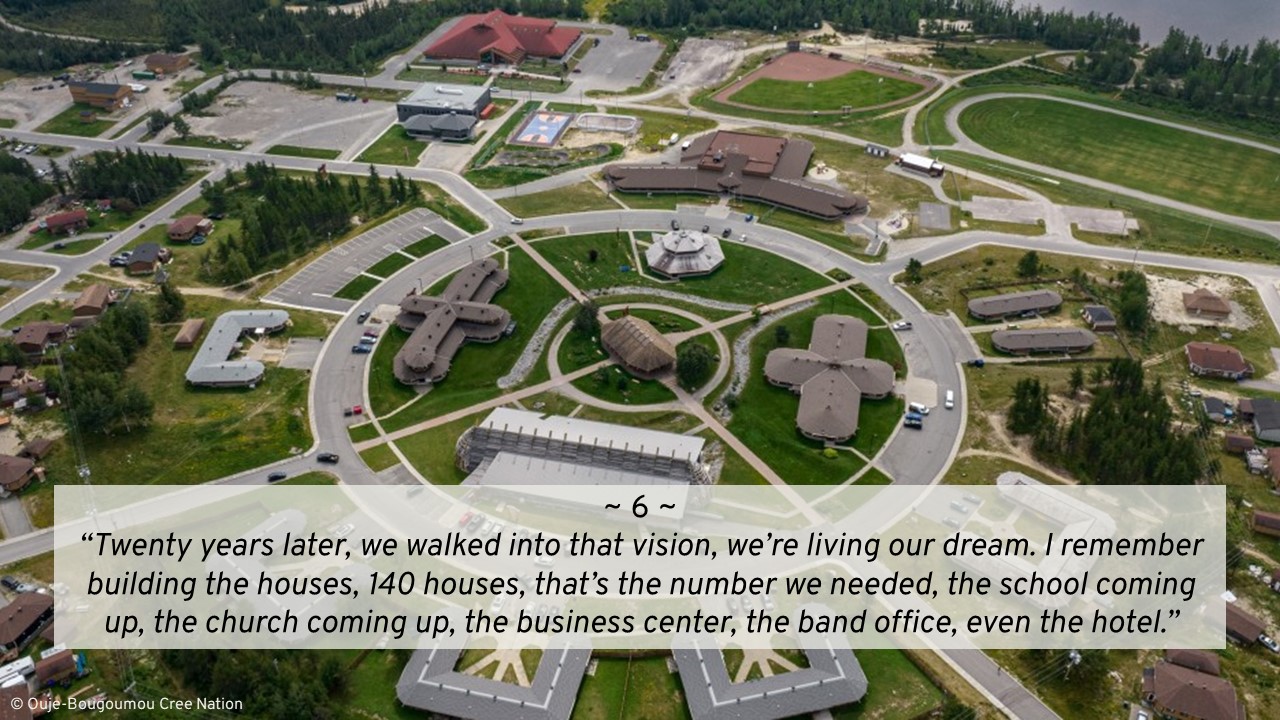
A Story of reclaimed change
Read Along
Here is the text version of the story, as told by Norman A. Wapachee. If you want to know more about Ouje-Bougoumou and the story of its people, we invite you to visit their website: www.ouje.ca.


Moving into action:
Facilitating change
Our mentors shared multiple ways to support people and communities as they move through change. Some ways are rooted in culture, others in non-Indigenous practices. Each brings a different, helpful perspective which will support your preparation journey.
This is by no means a full inventory of the tools available, they are paths to wander. We invite you to explore them and to make them your own, to express them through your values and worldview, with your unique gifts and strengths.
As always, we simply ask that you mention the names of the people whose teachings you are passing on.
Supporting change through language and culture
Cultures and languages hold wisdom integrated and passed down through generations. Dawn Germain-Metallic, CCP Mentor from Listuguj, shares an example of how the Mi’gmaw language teaches key aspects of facilitating collective change: the ability to include everyone, and the opportunity for each person to see how their part is essential to the whole.
As you listen to Dawn’s story, we invite you to consider these questions:
- How does this story resonate with you and your team?
- What teachings do your land, culture and language hold about change?
- Who can help you learn more about change from your culture’s perspective?
If you prefer to read the transcript of Dawn’s story, it’s available here.
Supporting yourself
Supporting your community through change includes supporting yourself. Our mentors share some ways that we can support ourselves through change, physically, emotionally, spiritually and mentally.
Build a cognitive raft
Our mentor, Suzy Goodleaf, teaches the importance of building a cognitive raft, an understanding you can hold on to when you lose your footing. We invite you to learn about change, so you can make sense of what’s happening and remind yourself that you are not alone. You can build your mental toolkit by researching change, how it affects individuals and groups, exploring change models, observing the land and learning through relationships, etc.
Prepare as a team
Build trust within your planning team, get to know the gifts and the wisdom each of you brings to the work. As Dawn suggested, also “get to know your own triggers and your teammates’, anticipate what might happen during planning activities and role play potential solutions.”
We invite you to consider these questions as you explore these practices:
- What are your go-to practices when you want to ground yourself?
- How will you and your team prepare to support each other when you’re reacting to change?
- Which practices do you want to integrate in your planning and engagement activities?
Cultivate strong roots
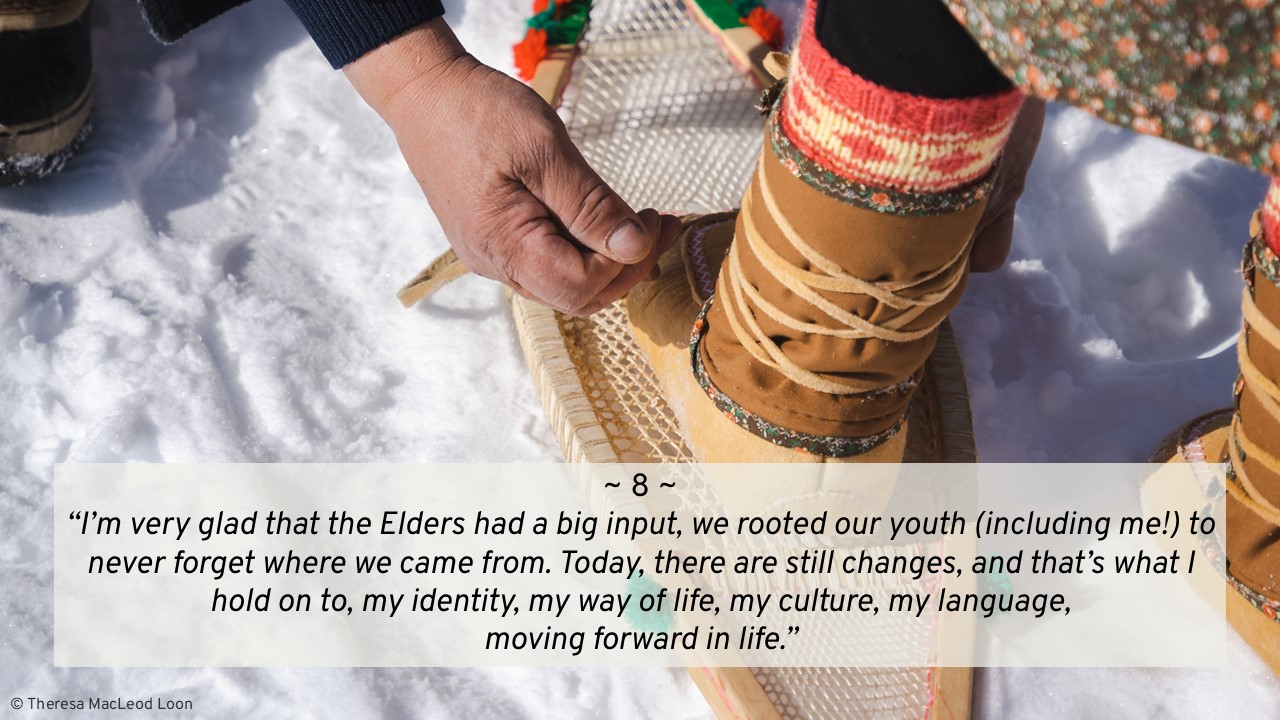
Take time to learn who you are, where you come from, your Nation’s culture and language, find your way back to the land and make connections. As David shared: “Love overcomes fear, connection overrides fear. We have that capacity.” And as Norman shared: “There is still change, and that’s what I hold on to, moving forward in life: my identity, my way of life, my culture, my language.”
Make friends with your nervous system
Explore and practice ways to return to calm when you’re activated by change. Dawn and David suggested various ways to calm your nervous system: deep breathing, tapping, taking a walk, going outside, shaking it out, stretching and letting go, music and singing, stomping your feet, etc. The idea is to let feelings move through you, so you can come back to yourself.
Supporting community
Supporting your community means empowering your people to truly participate in the change.
Our mentors share ideas of how to support community as they face and move through change.
Building safety and trust
As David shared, change is scary and can bring up a lot of emotions. Integrating practices that build safety and trust into your planning is key to supporting your community through change. Examples of such practices include committing to collective norms and values, setting and respecting boundaries, being accountable to yourselves and each other, honouring confidentiality, making time to get to know each other without judgement and with generosity, etc.
Storytelling
As Norman shared, there is immense power and comfort in getting together and telling each other stories. Stories of who you are, stories of what happened, stories of the future you want to create together. With each story, community members are invited to use their voice and empowered to bring their full selves to the process. Because, as Dawn shared, each person is unique and essential to community planning.
We invite you to consider these questions as you explore this section:
- What helps you and your community feel safe and build trust?
- How will you integrate storytelling into your planning and engagement? Who could support you as you hold these spaces?
- What practices do you want to integrate in your planning and engagement activities?
- What skills do you and your community already have regarding change? What skills do you want to strengthen?
Creating open meeting spaces
As Norman shared, we may all be different trees, yet we are all rooted in the same earth. Creating open spaces where differences are acknowledged and common ground is sought is another way planning teams can support collective change. As Dawn shared, creating neutral spaces where community members can get information without needing to choose a side helps build trust and awareness.
Strengthening capacity
As David and Dawn shared, change requires awareness and the ability to change. With your planning team, you can support your community by working with them to identify what skills they already have, and what additional skills they might need to move through collective change.
Tools to understand the process
Dawn Germain-Metallic, CCP Mentor from Listuguj, uses the ADKAR® model, taught by Prosci®.
In her words: “I liked the structured training received in change management, particularly from the ADKAR® model, because it’s person-focused. It focuses on people as being the biggest catalyst to change, as opposed to systems. Mobilizing people is a key component of CCP as well.”
Dawn used the ADKAR® model to look at change in her community, during the planning process:
While ADKAR® focuses on individuals, other models focus on systems, on emotional responses, on phases of change in an organization, etc.
The University of Waterloo created a helpful summary of the most popular change management models. You can access it here.
We invite you to consider these questions as you explore these models:
- Which model(s) do you and your team relate to the most and why? The least and why?
- What new perspectives do these models bring on change in your community?
- Looking at how your community goes through change, what would your own model of change look like?
It’s often challenging to see ourselves clearly, so we encourage you to explore this as a team.
Do you need new perspectives or a space to explore community planning? Let us know, we would be honoured to work with you.